
Story
Garden Birds and the Simple Habits That Bring Them Back
Bringing more birds to your garden rarely requires anything elaborate, and a few steady, thoughtful habits tend to do far more than expensive equipment ever will.
Hedgehogs look like solitary wanderers, but a closer watch of the garden reveals a quiet web of overlapping ranges, shared feeding spots, and seasonal encounters.
For years the hedgehog carried a reputation as the garden's great loner, a prickly recluse trundling out at dusk to forage in private before vanishing into the leaf litter. Spend a few patient nights watching a lit feeding station, though, and the picture changes. Hedgehogs are not social in the way that rabbits or starlings are social, yet they live within a loose and surprisingly structured world of neighbours, routes, and repeated meetings. The secret is not friendship in the sentimental sense. It is a careful choreography of tolerance, avoidance, and occasional contact that keeps individuals fed and, in the right season, keeps the local population going.
The first thing to understand is that hedgehogs do not defend tidy, bordered territories. A single animal may travel a mile or more across several gardens in one night, following hedge lines, fence gaps, and the edges of lawns. These ranges overlap heavily with those of other hedgehogs. Two or three animals might use the same patch of ground on the same night, simply at different hours or along different lines. Because they are not trying to hold a boundary, they spend little energy on conflict. Most of what looks like territorial behaviour is really timing: one animal passes through, feeds, and moves on before another arrives, and the garden becomes a shared resource used in shifts.
This overlapping arrangement explains why a garden that seems to host one hedgehog may actually serve five or six over the course of a week. Individuals can often be told apart by size, by the pattern of spines, or by small nicks and scars, and anyone who watches closely for a fortnight usually realises they have been feeding a small cast of regulars rather than a single loyal visitor.
A reliable food source changes the dynamics in interesting ways. When several hedgehogs want the same bowl, you see the clearest social behaviour of all. There is huffing, a kind of rhythmic puffing sound, and sometimes a shove of flank against flank as one animal tries to claim the dish. Rarely does this escalate into real fighting. More often the lower-ranking animal simply waits a short distance away, feeds when the first has finished, or ambles off to the next garden on its route. The queue is invisible but real. Putting out more than one feeding point, well spaced apart, eases this pressure and lets shyer individuals eat without a standoff.
Scent does a great deal of the talking. Hedgehogs leave and read chemical signals as they move, which tells a newcomer whether a patch has been visited recently and perhaps by whom. This is how animals that rarely meet face to face still keep track of one another. The social life, in other words, happens largely through smell and timing rather than through direct company.
The season when hedgehog sociability becomes impossible to miss is late spring and early summer. This is when the courtship ritual known affectionately as the carousel takes place. A male circles a female, often for an hour or more, while she turns to keep facing him, puffing and snorting the whole time. The sound carries across a quiet garden and has startled many a householder who assumed something larger was fighting in the border. The display can involve more than one male gathering around a single female, each waiting and circling in turn. It is not aggressive so much as persistent, and it is the closest thing to a social gathering that hedgehogs stage.
Once mating is over, the relationship ends. Males play no part in raising young. The female alone builds a nursery nest of leaves and grass and, after a few weeks, gives birth to a litter of hoglets. For a short window, a mother and her young form the only lasting bond in the hedgehog world, and even that dissolves within a couple of months as the youngsters disperse to find ranges of their own.
Through the year a hedgehog uses several nests, not one permanent home. There are day nests for resting, nursery nests for young, and the dense, insulated hibernaculum that sees an animal through the cold months. These sites are scattered across the overlapping range, and different hedgehogs may use the same favoured spots at different times, a kind of relay of lodgers. A well placed log pile, an undisturbed corner behind a shed, or a purpose made box can host a succession of tenants across a single winter and spring.
The pleasure of understanding hedgehog society is that it rewards quiet observation and asks for very little. A low wildlife camera or a dim, steady light near a feeding bowl reveals the comings and goings without disturbing the animals. Fresh water matters as much as food, especially in dry spells. Gaps cut at the base of fences, roughly the size of a compact disc, let hedgehogs follow their natural routes between gardens, and it is these corridors that make the whole neighbourhood work as a single shared range.
Seen this way, the backyard hedgehog is neither a hermit nor a pet. It is a member of a dispersed community that most of us never fully notice, bound together by scent trails, shared food, and the slow summer carousel. The spines and the solitary air are real, but behind them is a social world that runs on patience and good timing, playing out in the dark while the rest of the garden sleeps.
Bringing more birds to your garden rarely requires anything elaborate, and a few steady, thoughtful habits tend to do far more than expensive equipment ever will.
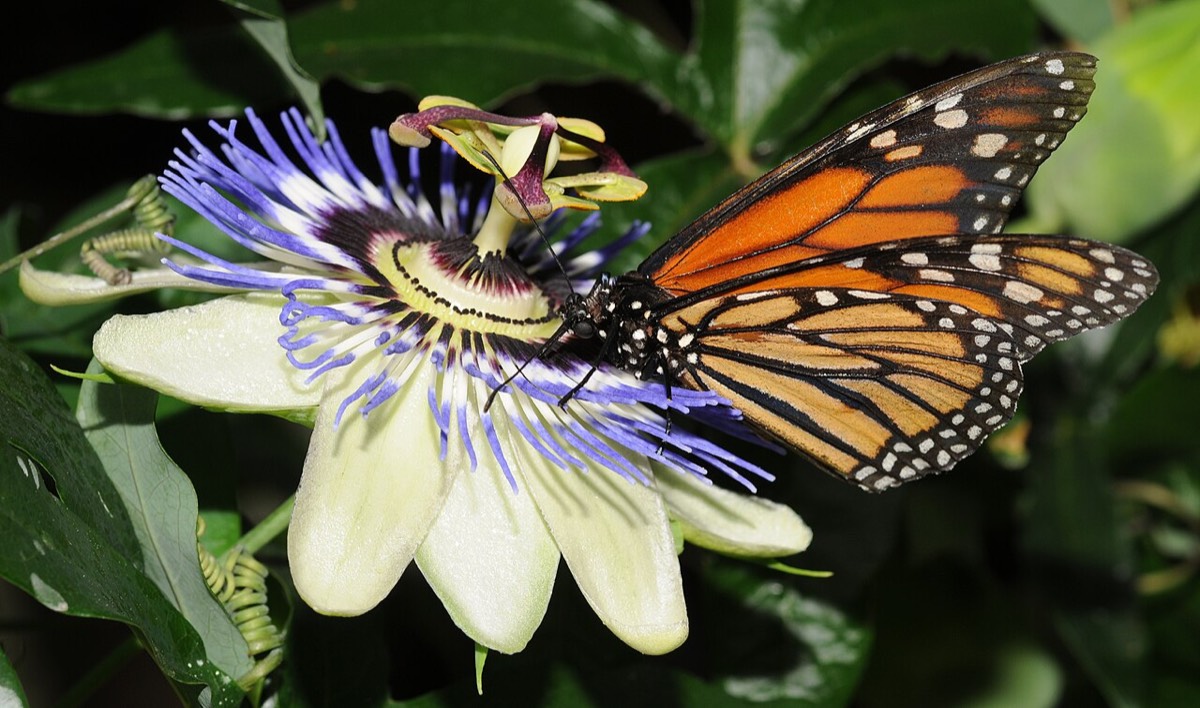
A newly adopted dog usually needs time and steady reassurance far more than a lesson in commands, and rushing the training can set the whole relationship back.
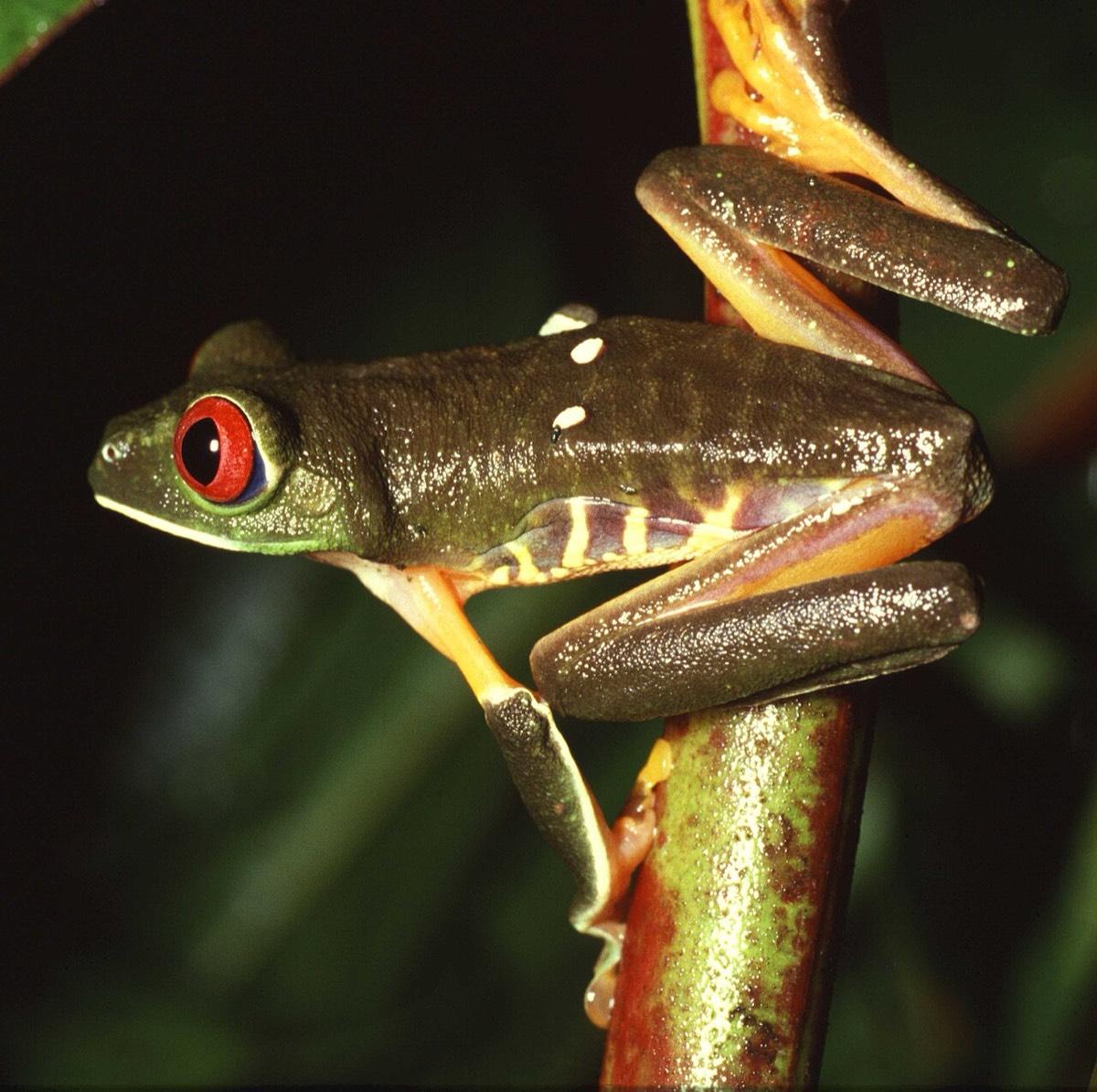
The fox trotting across a city garden at dusk is one of the most adaptable animals in Britain, yet its behaviour is widely misunderstood by the people it lives alongside.