Science
The Gentle Science of Introducing Two Cats
Bringing a second cat into the home works best as a patient, scent led process that lets both animals adjust at their own pace.
Science from across the animal world.
Bringing a second cat into the home works best as a patient, scent led process that lets both animals adjust at their own pace.
The fox trotting across a city garden at dusk is one of the most adaptable animals in Britain, yet its behaviour is widely misunderstood by the people it lives alongside.

Crows can recognize individual human faces, hold a grudge for years, and pass that knowledge to their flock. The research behind their memory is as unsettling as it is impressive.

A house cat's eyes are built for the dim hours, and the science behind that twilight vision explains a great deal about how they behave.
Twice a year, billions of birds cross continents and oceans with astonishing precision. They navigate using a toolkit of senses that still partly baffles science.
The daily demands of pet care build habits that happen to line up neatly with everything we know about healthy aging.

As dogs and cats grow older, their needs change in ways that often mirror our own. Understanding that parallel can make both lives healthier.
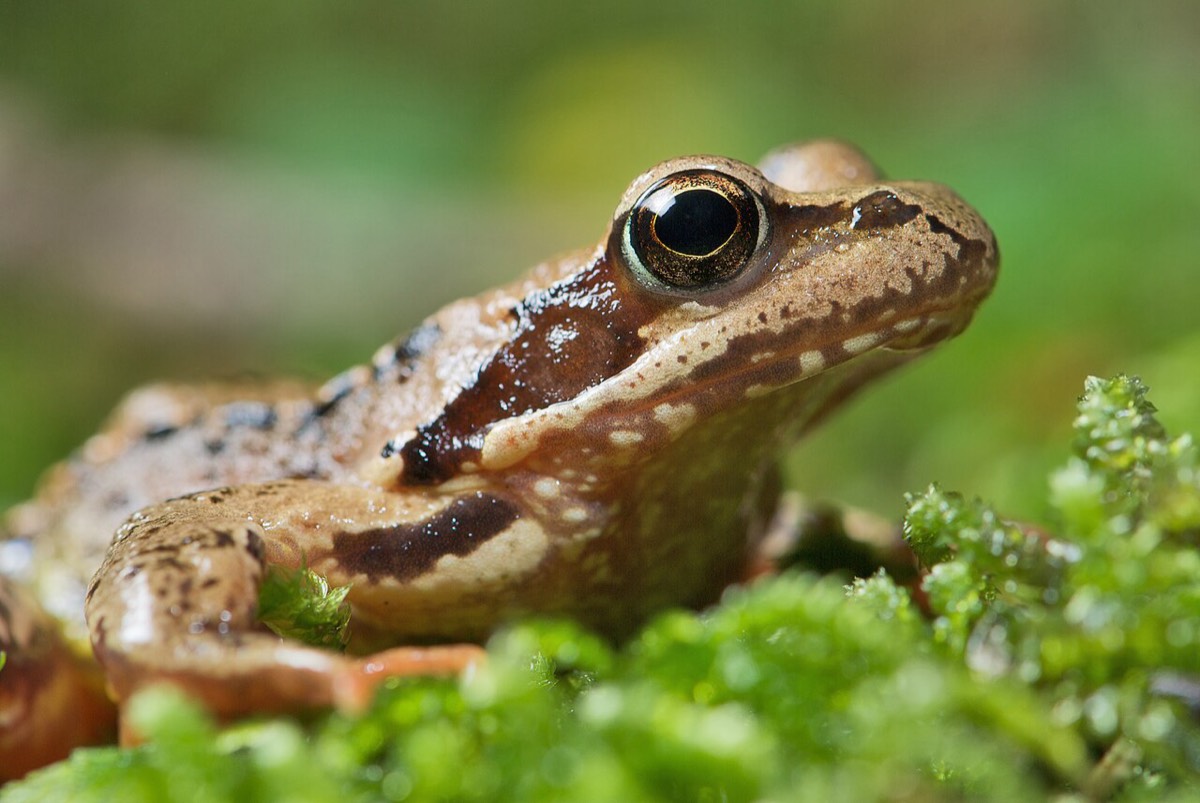
The rhythmic pushing of a cat's paws against a soft blanket is more than a quirk. It reaches back to kittenhood and carries a surprising amount of meaning.

The simple rhythm of walking a dog twice a day quietly builds some of the healthiest habits there are. Here is what pet owners can learn from their own routines.

A returning forager can tell her hivemates exactly where to find flowers using nothing but a looping, waggling walk across the honeycomb.

An octopus does not simply touch the objects it reaches for. Its suckers sample chemistry directly, letting each arm make decisions almost on its own.

A single honeybee is a small miracle, but a hive is something far greater than the sum of its parts. Tens of thousands of individuals work together wi

Penguins are among the most beloved birds on the planet, yet their lives are astonishingly demanding. These flightless birds have traded the power of
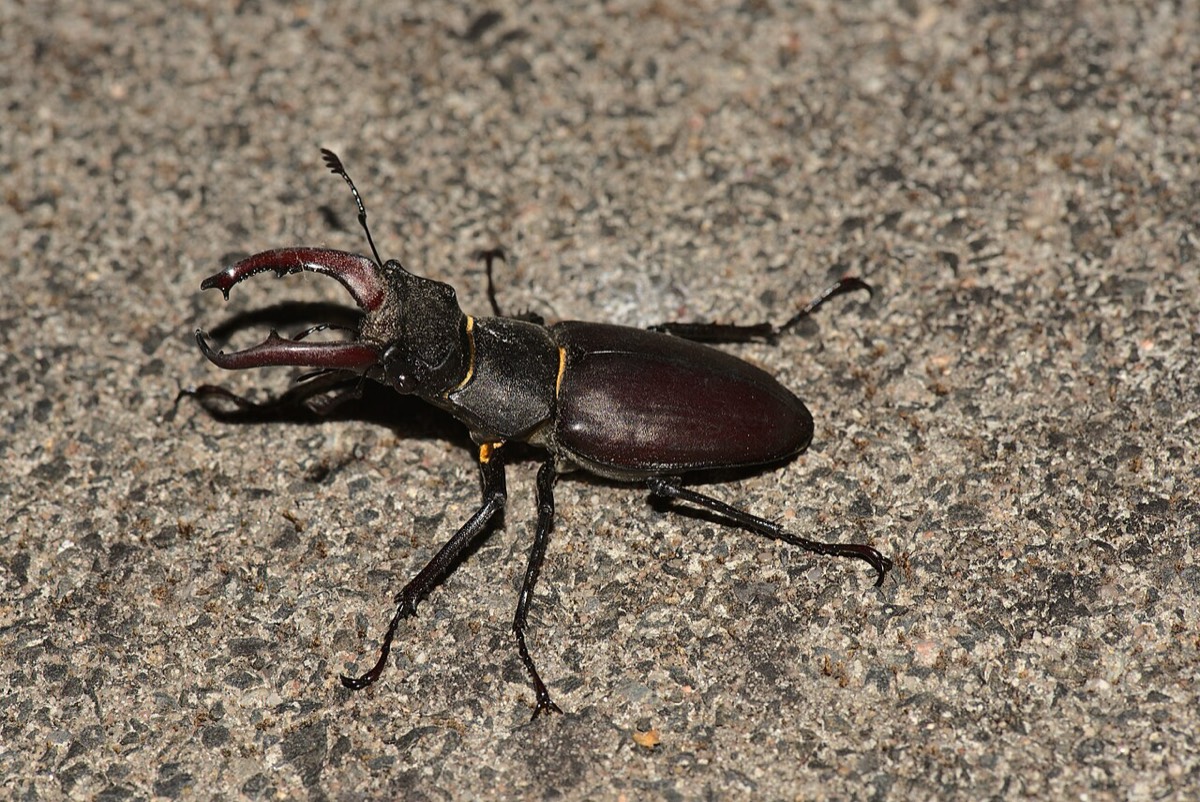
Each year the plains of the savanna host one of nature's greatest wonders. Vast herds of wildebeest thunder across the grasslands in search of fresh g

Prairie dogs may look like simple rodents, but they hold a surprising secret. These small animals have one of the most complex communication systems i

The journey of the salmon is one of nature's most astonishing feats of endurance. Born in freshwater streams, salmon migrate out to the open ocean. Ye

A coral reef is one of the most crowded places on earth, a rainforest beneath the sea. Though they cover a minute fraction of the ocean floor, reefs s

In the warm waters of the western Pacific sits a marine marvel. Known as the Coral Triangle, it is the heart of ocean biodiversity. Nowhere else conta
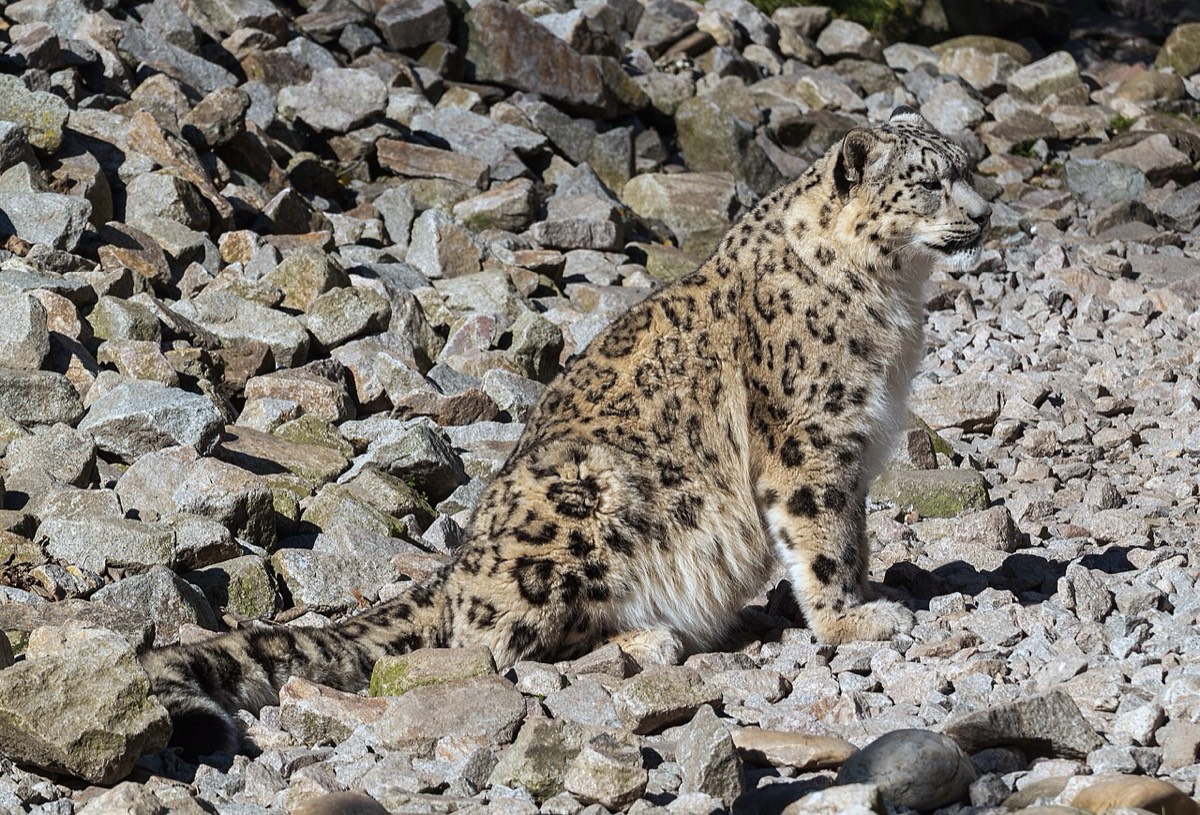
Out of sight, the mole spends almost its whole life underground, carving an elaborate network of passages through the soil.
A clam that lived for centuries and a whale that may outlast two human lifetimes are forcing scientists to rethink the biology of ageing.

Crows that bend wire into hooks and octopuses that carry shelters reveal that sophisticated problem-solving is far more widespread than once believed.

From insects that mimic dead leaves to cephalopods that change their skin in an instant, camouflage is nature's most refined visual deception.
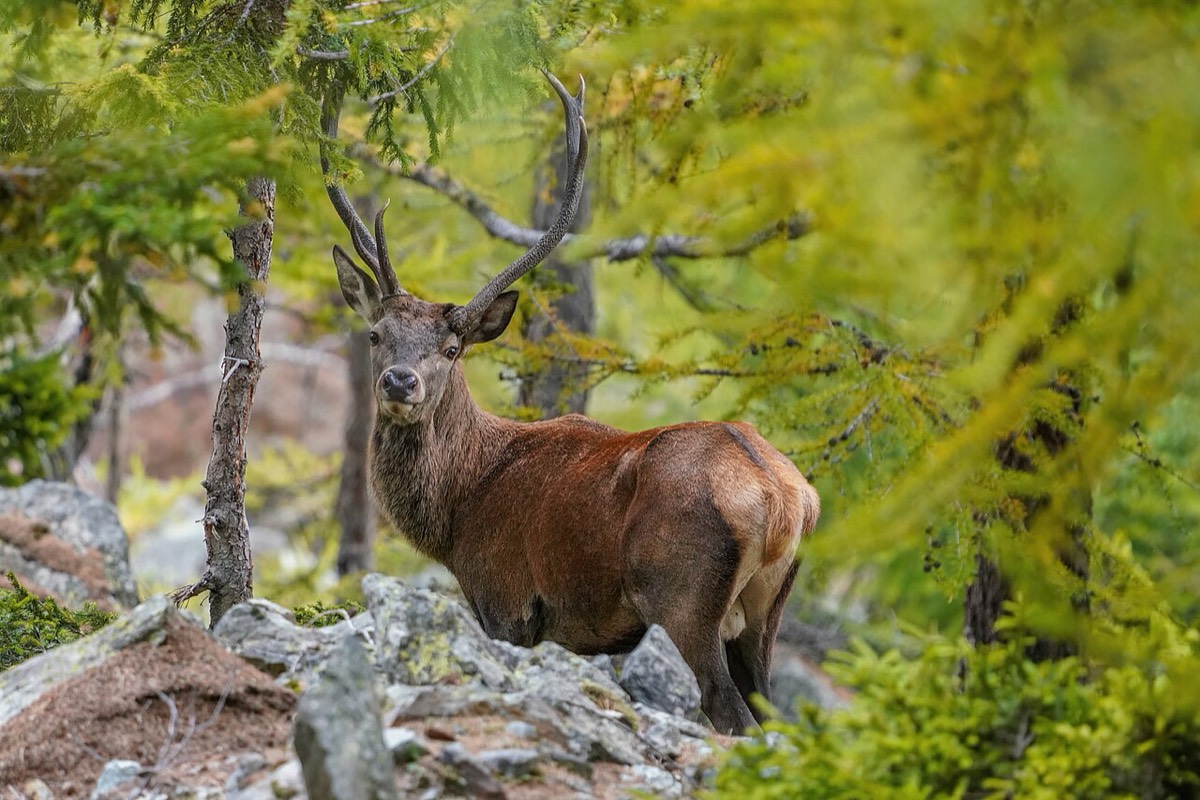
From migrating songbirds to ocean-crossing turtles, countless animals read an invisible map written in magnetism, and science is only beginning to understand how.
Hibernating animals slow their bodies to the edge of stillness, and in doing so reveal astonishing truths about physiology, survival and even human medicine.