Breeds
Why Rescue Dogs Need Patience More Than Training Tricks
A newly adopted dog usually needs time and steady reassurance far more than a lesson in commands, and rushing the training can set the whole relationship back.
Long after the household has gone to bed, a surprising cast of mammals, birds, and insects moves through the garden after dark.
A garden by day belongs to the obvious residents, the singing birds, the basking cat, the bees working the borders. But the same patch of ground runs a second shift once the sun is down. Nightfall brings out a quiet, often unseen community of creatures that prefer the cover of darkness, moving along hedges and across lawns while the household sleeps. Most people share their outdoor space with far more wildlife than they realise, and learning to recognise the signs and sounds of these nocturnal visitors turns an ordinary back garden into a window onto a hidden world.
The most celebrated night visitor in many gardens is the hedgehog, which emerges at dusk to snuffle through leaf litter and borders in search of beetles, worms, and slugs. Its progress is often audible before it is visible, a surprising amount of rustling and the occasional huff. Foxes are another common caller, slipping through gaps in fences on well worn routes, investigating compost heaps and anything left out, and announcing themselves at times with an eerie scream during their winter breeding season. In some regions badgers lumber through under cover of dark, leaving distinctive snuffle holes in the lawn where they have dug for grubs and earthworms.
Smaller mammals keep to the shadows too. Mice and voles dart along the bases of walls and beneath shrubs, and the occasional rat may follow the same food trails. Where there are gardens near open country, the night can bring deer stepping delicately across borders, nibbling at tender shoots. None of these animals wants to be seen, which is why their presence is usually betrayed by evidence rather than sightings: flattened runs through long grass, droppings, dug patches, and disturbed feeding stations.
Overhead the night has its own flyers. Bats emerge at dusk and hunt insects on the wing, flickering across the sky in a jerky, unpredictable flight quite unlike that of any bird. A garden with plenty of insects, especially near water or mature trees, can host several species working the air above the lawn. They are easiest to spot in the last glow of twilight, silhouetted against a pale sky before full darkness swallows them.
Owls are the classic voice of the night. The hooting of a tawny owl, or the shriek of a barn owl quartering nearby fields, carries far on still evenings and is one of the most atmospheric sounds a garden can offer. Even in suburban areas owls patrol the quiet hours, hunting the mice and voles that the dark brings out. Hearing one call is a reminder that the garden sits within a much larger landscape of night hunters.
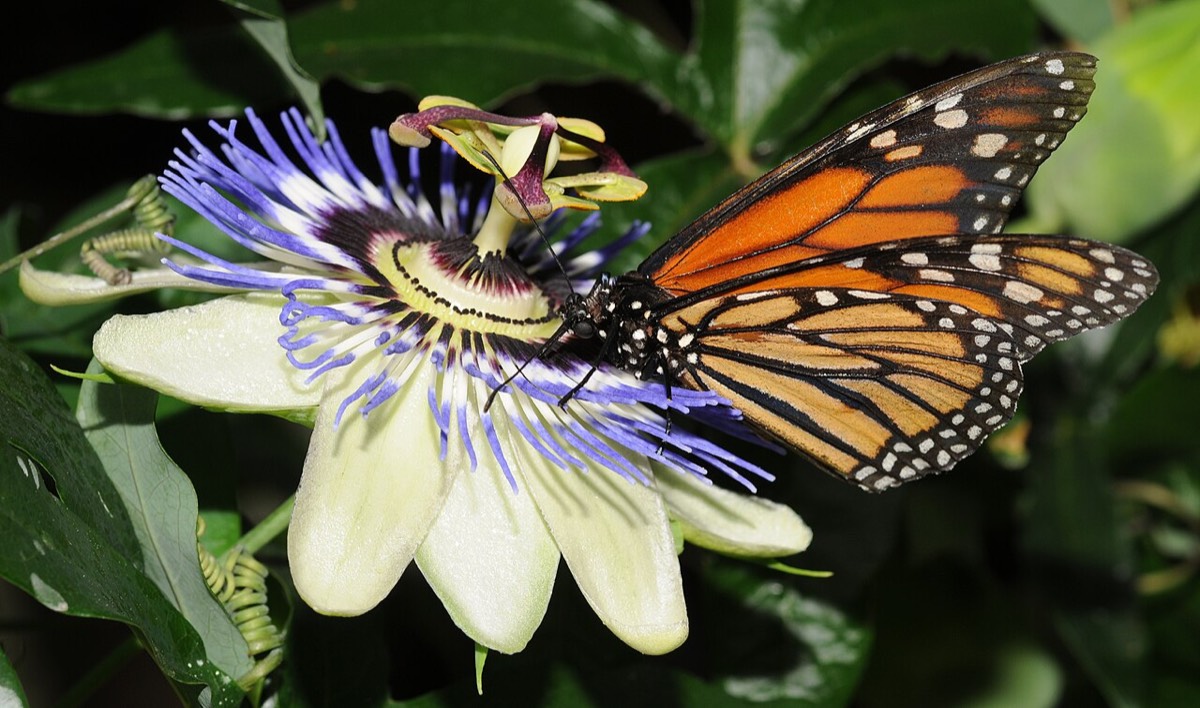
It is easy to focus on the larger animals and forget that the bulk of the night shift is made up of invertebrates. Moths, far more numerous and varied than their daytime butterfly cousins, flutter to pale flowers and lit windows, and they form the food base that supports the bats overhead. Slugs and snails glide across damp paths, leaving their silver trails, while beetles, earthworms, and woodlice go about their work in the soil and leaf litter. This quiet multitude is the foundation of the whole nocturnal food web. The hedgehogs, bats, and owls that capture our imagination depend entirely on the insects and other small creatures that stir in the dark.
Because so much nocturnal activity goes unseen, learning to read the clues is half the pleasure. Morning often reveals the night's traffic: new holes dug in the lawn, droppings along a favoured path, nibbled seedlings, a knocked over feeding dish, or a trail pressed through dewy grass. Footprints in soft mud or a patch of smoothed earth can tell you which animals passed through. A dusting of soil near a fence gap shows where something regularly squeezes between gardens. Over time these clues build into a pattern, so that a particular run through the grass or a certain dug patch becomes a familiar sign of a regular visitor rather than a one off event. Keeping a simple note of what appears, and where, turns scattered observations into a genuine record of the garden's night life across the seasons. Each of these small signs builds a picture of who shares the space after dark.
For those keen to see rather than merely infer, a few gentle methods open up the night. A low, dim light left near a feeding spot lets the eyes adjust and reveals visitors without the harsh glare that frightens them away. A simple motion triggered wildlife camera, set low and aimed at a known route or feeding point, captures the comings and goings and often records species the gardener never suspected. Sitting quietly by an open window on a mild evening, letting the ears do the work, is its own reward as the calls and rustles of the dark resolve into recognisable visitors.
A garden can be made more welcoming to this night community with very little effort. Gaps left at the base of fences allow hedgehogs and other small mammals to follow their routes. A patch left a little wild, a log pile, a pond, and night scented flowers all draw in insects and the animals that feed on them. Keeping artificial lighting low and avoiding chemical slug pellets protects the small creatures at the base of it all. Do this, and the garden becomes not just a daytime pleasure but a stage for a second, quieter drama that plays out every night just beyond the window.
A newly adopted dog usually needs time and steady reassurance far more than a lesson in commands, and rushing the training can set the whole relationship back.
The border collie is widely called the most intelligent dog breed, but that intelligence comes with a demand that catches many owners off guard: a border collie needs a job.

Gentle, enormous, and surprisingly dog-like, the Maine Coon is one of the most popular breeds in the world. Here is an honest look at life with these shaggy giants.