
News
How the albatross soars for thousands of miles
The albatross is the supreme wanderer of the open sea. With the longest wingspan of any bird, it rides for days on end. It lives most of its life far
Poison dart frogs are among the most beautiful creatures in the rainforest. Their brilliant colours announce of a potent defence. These tiny amphibian
Poison dart frogs are among the most beautiful creatures in the rainforest. Their brilliant colours announce of a potent defence. These tiny amphibians carry some of the most toxic compounds in nature. Their beauty is a message, not an invitation. The dart frog is a small marvel of the jungle.
The vivid colours of dart frogs serve a clear role. This bright display is called aposematic coloration. It tells predators that the frog is dangerous. A predator that tastes one remembers to avoid the colour. The frog advertises its toxicity boldly.
The toxins of dart frogs are remarkably potent. Some species carry enough poison to threaten much larger animals. These compounds deter would-be predators effectively. The frog's small body holds a powerful chemical defence. Few creatures so tiny are so well defended.
Interestingly, dart frogs do not make their toxins themselves. They acquire the poisons from their diet in the wild. Certain insects they eat contain the toxic compounds. Frogs raised in captivity, on a different diet, become harmless. The frog's danger rests on what it eats.
Dart frogs show surprising family devotion. Parents watch over their eggs carefully. Some carry their offspring on their backs to water. A few even nourish their tadpoles with unfertilised eggs. This care is rare among amphibians.
The diversity of dart frogs is dazzling. They come in a rainbow of colours and patterns. Different species favour different parts of the rainforest. Each colour pattern is unique. This variety reflects their rich evolutionary history.
Dart frogs are lively by day, unlike many amphibians. Their toxicity lets them forage openly without hiding. Bright colours would be pointless on a hidden animal. By being visible, they display their warning. Their boldness is a product of their defence.
These frogs flourish in the humid rainforest. They need moist conditions to survive. Small pools of water provide nurseries for their young. The rainforest's abundance suits them perfectly. Their fate is tied to that of the forest.
Poison dart frogs face serious threats. Deforestation shrinks the habitat they depend on. The pet trade has burdened some wild populations. Disease and climate change add further danger. Many species are now threatened.
Protecting dart frogs means protecting the whole habitat. Their survival depends on preserved ecosystems. Conservation efforts aim to preserve both frog and forest. Captive breeding helps the most endangered species. Saving them protects the entire rainforest community.
The poison dart frog is a striking lesson in nature's logic. Its beauty and danger are opposite sides of one strategy. Bright colours serve rather than merely decorate. This tiny jewel reveals the elegance of evolution. To protect it is to protect a small wonder of the living world.
The albatross is the supreme wanderer of the open sea. With the longest wingspan of any bird, it rides for days on end. It lives most of its life far
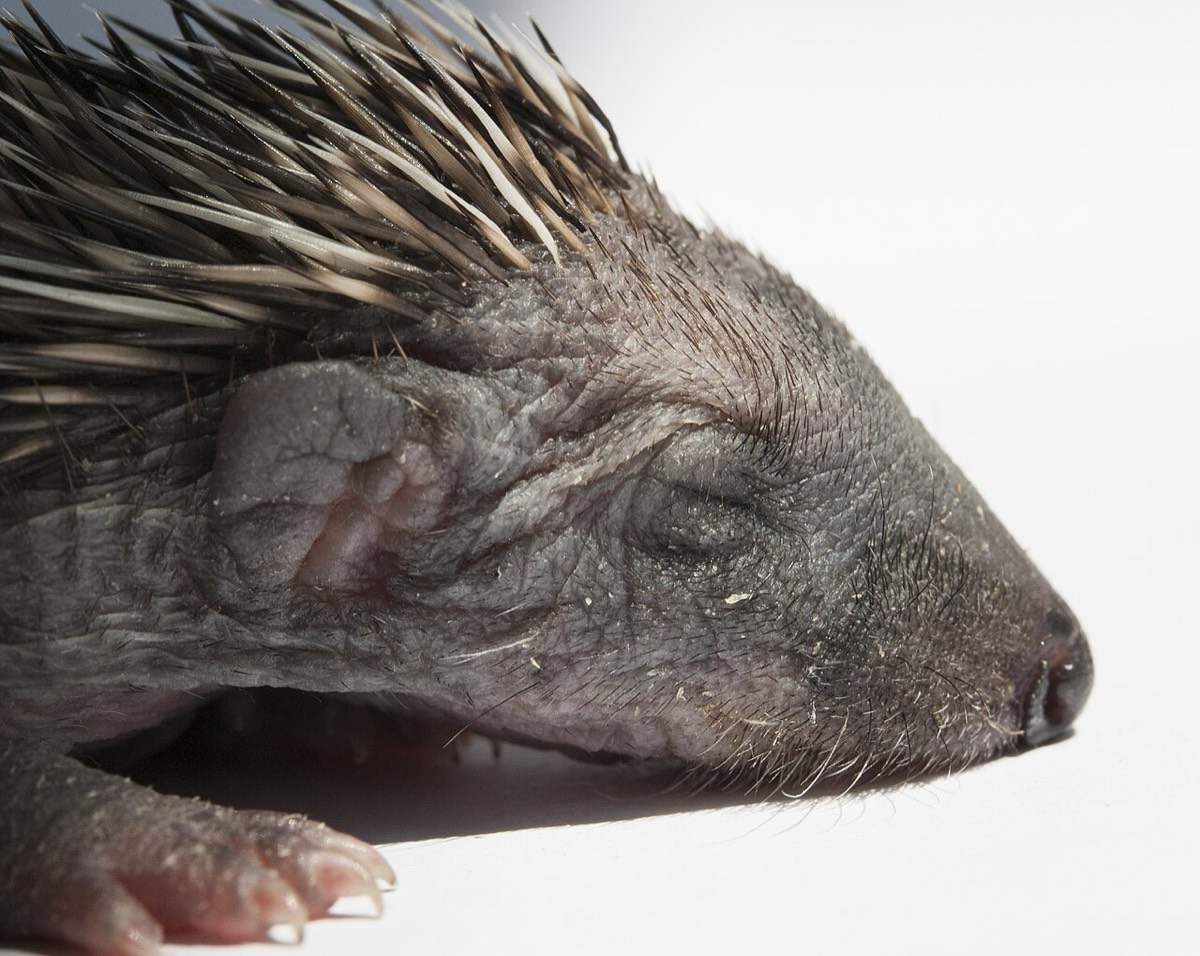
The owl is among the most formidable of nocturnal hunters. It glides through the darkness in near-total silence. Its prey scarcely hears death approac

The otter captivates observers with its playful spirit. It slides down muddy banks seemingly for pure fun. Yet behind the play hides a sharp and capab