
News
How the albatross soars for thousands of miles
The albatross is the supreme wanderer of the open sea. With the longest wingspan of any bird, it rides for days on end. It lives most of its life far
Gorillas are often portrayed as fierce and dangerous beasts. In reality, they are gentle giants of the forest. These great apes are among our nearest
Gorillas are often portrayed as fierce and dangerous beasts. In reality, they are gentle giants of the forest. These great apes are among our nearest living relatives. Their family lives are rich and complex. The gorilla is one of nature's most misunderstood creatures.
Gorillas live in close-knit family groups. Each group is usually headed by a dominant male called a silverback. He guards the family and makes key decisions. The group includes females and their young. This family is the centre of a gorilla's world.
The silverback is a figure of calm power. His name comes from the grey hair on his back. Despite his imposing size, he is usually patient. He steps in to resolve disputes within the group. The silverback is both anchor and peacemaker.
Gorilla mothers are tender to their young. Infants ride to their mothers for the first years of life. Mothers carry their babies with great tenderness. The bond between mother and infant is deep. This close care protects the young gorilla.
Young gorillas spend much of their time at play. They wrestle, chase and tumble through the forest. This play builds the skills they will need. It also builds bonds within the group. A playful young gorilla is a charming sight.
Gorillas communicate through a surprising range of signals. They use postures, sounds and even facial expressions. The silverback's chest-beat announces his presence. Soft grunts signal the group. Their communication is nuanced.
Gorillas are intelligent animals. They use simple objects in the wild. Some captive gorillas have mastered forms of sign language. They show signs of emotion. Their minds are more similar to ours than many assume.
The diet of gorillas is largely plant-based. They spend much of the day foraging leaves and stems. A gorilla must eat great quantities to sustain its size. This gentle, plant-eating diet contradicts their fierce image. The giant gorilla is a gentle forager.
Gorillas face grave threats to their survival. Habitat loss, poaching and conflict endanger them. Mountain gorillas in particular number only in the few. Their survival rests on dedicated conservation. Every individual is precious to the species.
Conservation has brought hopeful progress for some gorillas. Mountain gorilla numbers have slowly increased thanks to protection. Ecotourism gives local communities a reason to protect them. Research deepens our knowledge of their needs. Their recovery offers a hopeful bright spot.
To gaze into a gorilla's eyes is to feel a deep connection. In that gentle gaze there is awareness we recognise. The gorilla, so wrongly misunderstood, is a tender giant. Its family life mirrors our own in moving ways. To protect the gorilla is to protect a kin in the forest.
The albatross is the supreme wanderer of the open sea. With the longest wingspan of any bird, it rides for days on end. It lives most of its life far
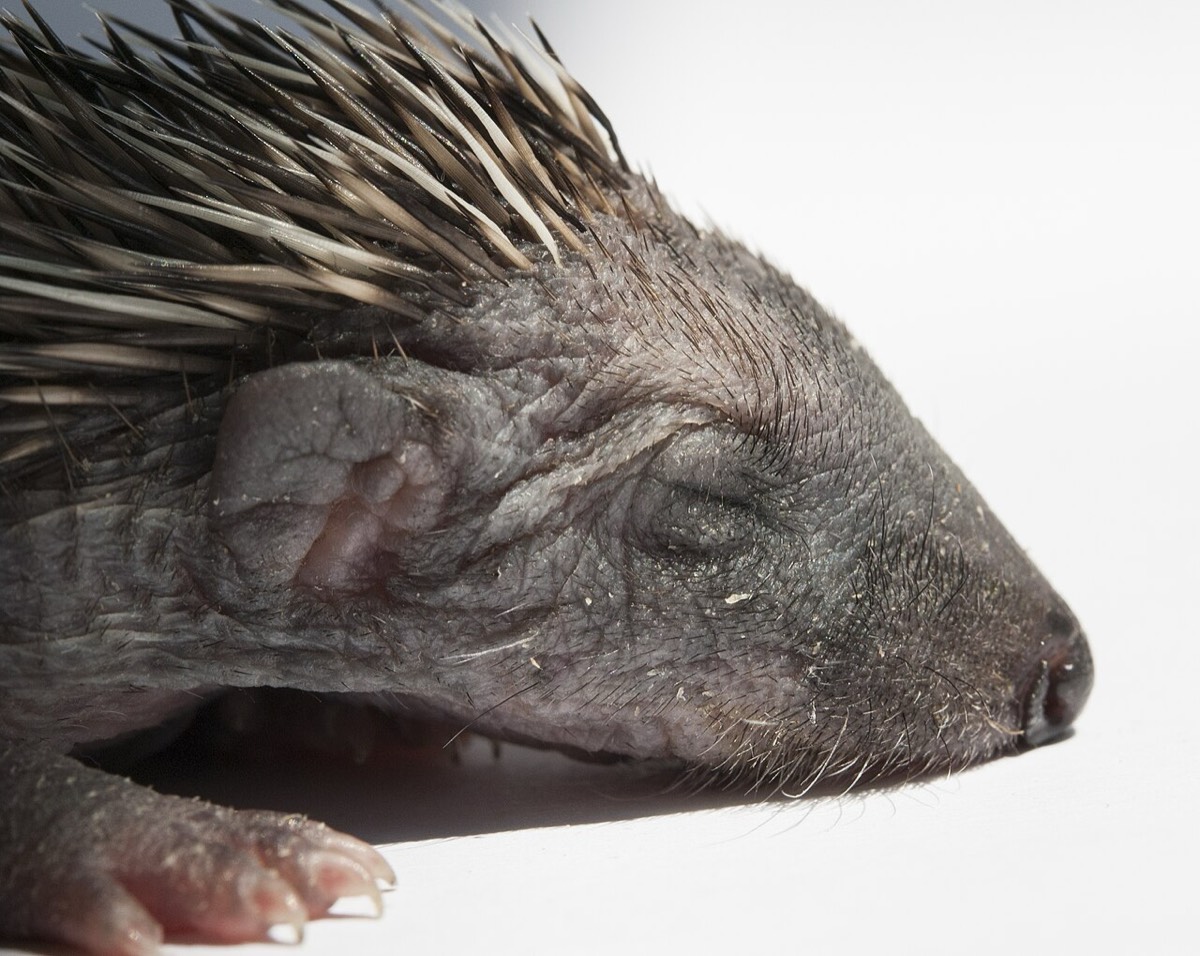
The owl is among the most formidable of nocturnal hunters. It glides through the darkness in near-total silence. Its prey scarcely hears death approac

The otter captivates observers with its playful spirit. It slides down muddy banks seemingly for pure fun. Yet behind the play hides a sharp and capab