
Science
The Science of Caring for an Aging Pet and an Aging Owner
As dogs and cats grow older, their needs change in ways that often mirror our own. Understanding that parallel can make both lives healthier.
The daily demands of pet care build habits that happen to line up neatly with everything we know about healthy aging.
Spend any time around older pet owners and a pattern starts to emerge. Many of them are more active, more connected, and more grounded in routine than their peers, and it is hard not to suspect the animals have something to do with it. The research on this is still developing, but the behavioral logic is straightforward. Pet care demands exactly the habits that support healthy aging, and it demands them every single day.
Gerontologists who study why some people reach their eighties and nineties in good shape tend to point to the same short list of factors, and almost none of them involve dramatic interventions. Regular movement, strong social ties, a sense of purpose, and steady daily structure appear again and again. What is striking is how closely that list maps onto the ordinary demands of owning a pet. A dog or cat does not know anything about longevity research, yet it manages to extract all four of those behaviors from its owner as a simple condition of being cared for.
Start with movement, the single most protective habit for aging well. A dog does not care that you are tired, and that gentle insistence keeps owners walking long after many people their age have settled into the couch. The activity is modest but relentless, and relentless is what matters when you are playing the long game of staying mobile into later life.
Then there is purpose. Having a creature that depends on you provides a reason to get up, get dressed, and engage with the day, which is no small thing as the structures of work and child-rearing fall away. Purpose is quietly one of the strongest predictors of healthy aging, and a pet supplies it in abundance, every morning, without fail.
The transitions of later life are where this matters most. Retirement removes the structure of work, children grow up and move away, and the scaffolding that once organized the days can quietly collapse. Many people describe that stretch as disorienting, not because anything is wrong but because the familiar reasons to get up and engage have faded. A pet refuses to let that happen. It still needs feeding, walking, and attention on exactly the same schedule it always did, and that unbroken thread of responsibility carries people through transitions that leave others adrift.
Owners who think about longevity tend to approach it the way they approach their pet's care, steadily and without drama. The anti-aging conversation has moved well beyond creams, with a growing interest in compounds like resveratrol, and products built around it, such as ResveraBurn, are sometimes mentioned as part of a daily routine among people who want to support healthy aging the same way they support their aging dog's.
Weight is a recurring theme in both veterinary and human longevity advice, since carrying extra pounds strains joints and organs over time. Owners who keep their pets lean often extend that discipline to themselves, and metabolism-focused products like Citrus Burn occasionally come up as one small piece of a daily routine aimed at staying light enough to keep up with an energetic animal for years to come.
Social connection is the quiet hero of this whole picture. Dog parks, vet waiting rooms, and sidewalk encounters build a web of low-stakes human contact that many people lose as they age. That steady drip of connection is itself protective, and it happens almost automatically when a pet is pulling you out into the world several times a day.
Loneliness has become one of the quiet health concerns of later life, and researchers increasingly treat it as a genuine risk factor rather than a mere mood. The web of small interactions that a pet generates, a nod from another dog walker, a chat with the vet's receptionist, a neighbor stopping to greet the puppy, works against that isolation in a steady, low-pressure way. None of these encounters is profound on its own, but their cumulative effect over years is a life that stays connected to the world rather than retreating from it.
Aging well also means thinking ahead about the practical comforts that let you stay active. For men, long walks and outings raise questions about staying comfortable on the move, and products marketed around urinary flow, such as FlowForce Max, sometimes feature as part of a daily routine for those who want to keep logging miles with the dog well into their later years.
Heart health is never far from the longevity conversation either, and pet owners often get a gentle assist here simply through all that walking. Many pair that activity with attention to diet, and products framed around healthy cholesterol support, like Cholibrium, are occasionally mentioned as part of a broader daily routine rather than a replacement for the walking itself.
There is also the matter of staying balanced and comfortable through the seasons, something attentive owners already manage for their pets by watching water intake and activity levels. That same awareness leads some people to explore products marketed around water balance and gentle detox, such as Flush Factor Plus, as one modest part of their own everyday approach to feeling light and comfortable.
None of this is magic, and none of it is about any single product. It is about a lifestyle that bundles movement, purpose, connection, and routine into the simple act of caring for an animal. Those are precisely the ingredients that gerontologists point to when they describe people who age well, and pet owners get them delivered daily, whether they planned to or not.
Perhaps that is the real lesson. We often think of healthy aging as something we have to engineer deliberately, with plans and programs and willpower. Pet owners stumble into much of it sideways, carried along by the needs of a creature who just wants a walk, a meal, and a little attention. It turns out that is most of the recipe. The dog, as usual, knew the way all along.
For readers who want to explore the topics above further, here are some wellbeing resources worth a look:
As dogs and cats grow older, their needs change in ways that often mirror our own. Understanding that parallel can make both lives healthier.
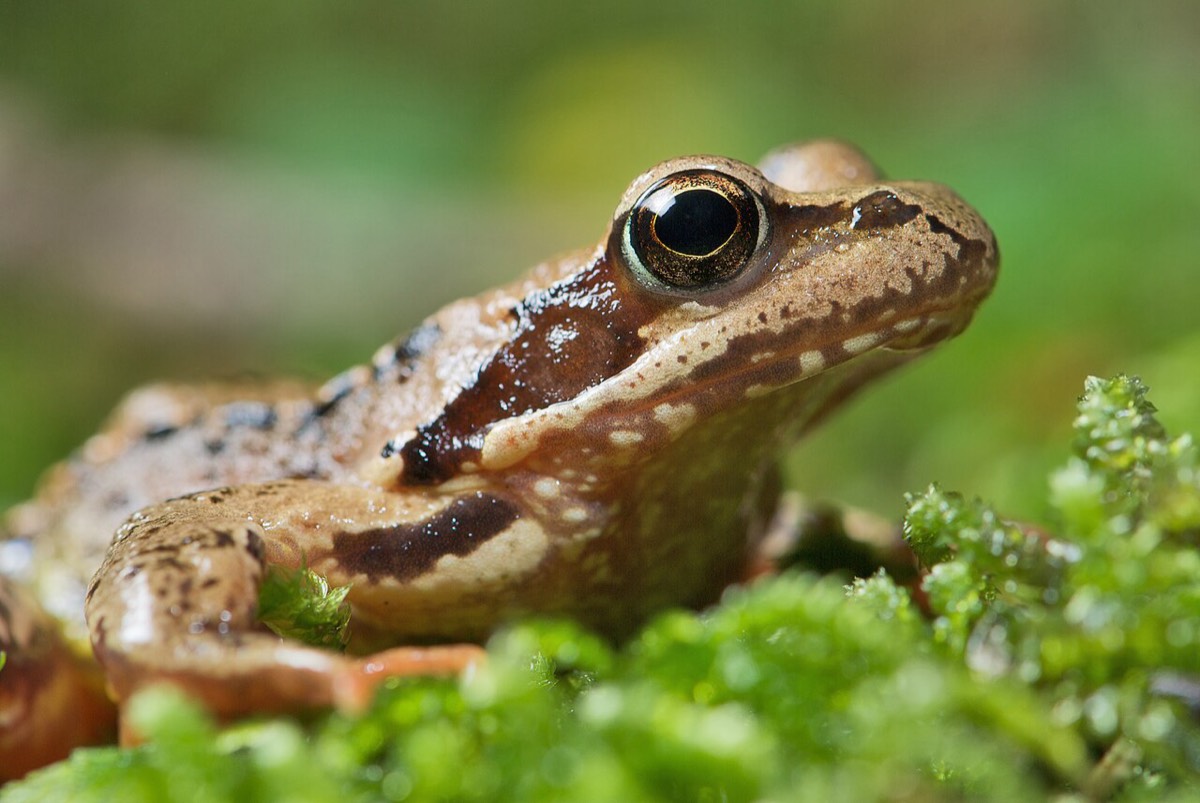
The rhythmic pushing of a cat's paws against a soft blanket is more than a quirk. It reaches back to kittenhood and carries a surprising amount of meaning.

The simple rhythm of walking a dog twice a day quietly builds some of the healthiest habits there are. Here is what pet owners can learn from their own routines.