
Discovery
Where land meets sea: the vital mangrove
Mangrove forests thrive where land and sea blur together. These remarkable trees tolerate salty, waterlogged ground. Their tangled roots rise above th
On warm summer evenings, fireflies animate the landscape. Their flickering lights float across fields and gardens. This gentle glow has enchanted peop
On warm summer evenings, fireflies animate the landscape. Their flickering lights float across fields and gardens. This gentle glow has enchanted people for ages. Behind the magic hides an elegant biology.
The firefly's light arises from a chemical reaction. Within special organs, compounds react to release energy as light. Astonishingly, almost no heat escapes this reaction. It is among nature's most efficient light sources.
Each flash is actually a signal with meaning. Fireflies flash in patterns unique to their species. Males broadcast their signals while cruising for a mate. Females reply from the grass with a matching flash.
This flashing conversation happens across the darkness. A male repeats his coded sequence again and again. A receptive female returns her reply precisely. The right rhythm seals a successful match.
Not every glow is a harmless invitation. Females of some species fake the signals of another. When a hopeful male draws near, she devours him instead. The night holds danger as well as romance.
Fireflies spend most of their lives hidden. The larvae feed on snails and other small prey. Many of these young also glow faintly. The dazzling adult stage is short-lived.
Sadly, firefly displays are fading in many places. Artificial light masks their delicate signals. Lost meadows and wetlands rob them of habitat. Pesticides thin their numbers further.
Protecting fireflies costs surprisingly little. Dimming outdoor lights helps their signals shine again. Leaving some grass unmown gives them room to breed. Small gestures can sustain the summer glow alive.
Mangrove forests thrive where land and sea blur together. These remarkable trees tolerate salty, waterlogged ground. Their tangled roots rise above th
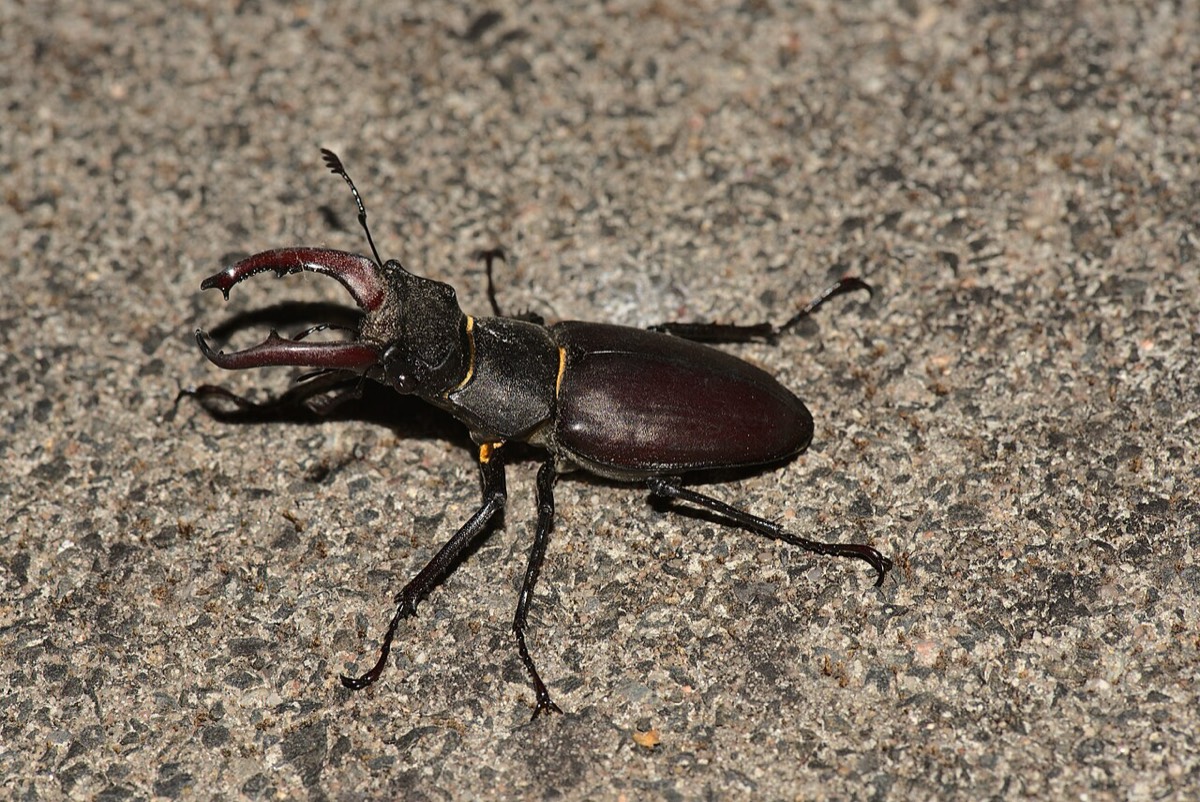
The pet rabbit is often misunderstood as a simple creature. In truth it is sensitive, with a rich inner life. A well-kept rabbit forms a genuine bond
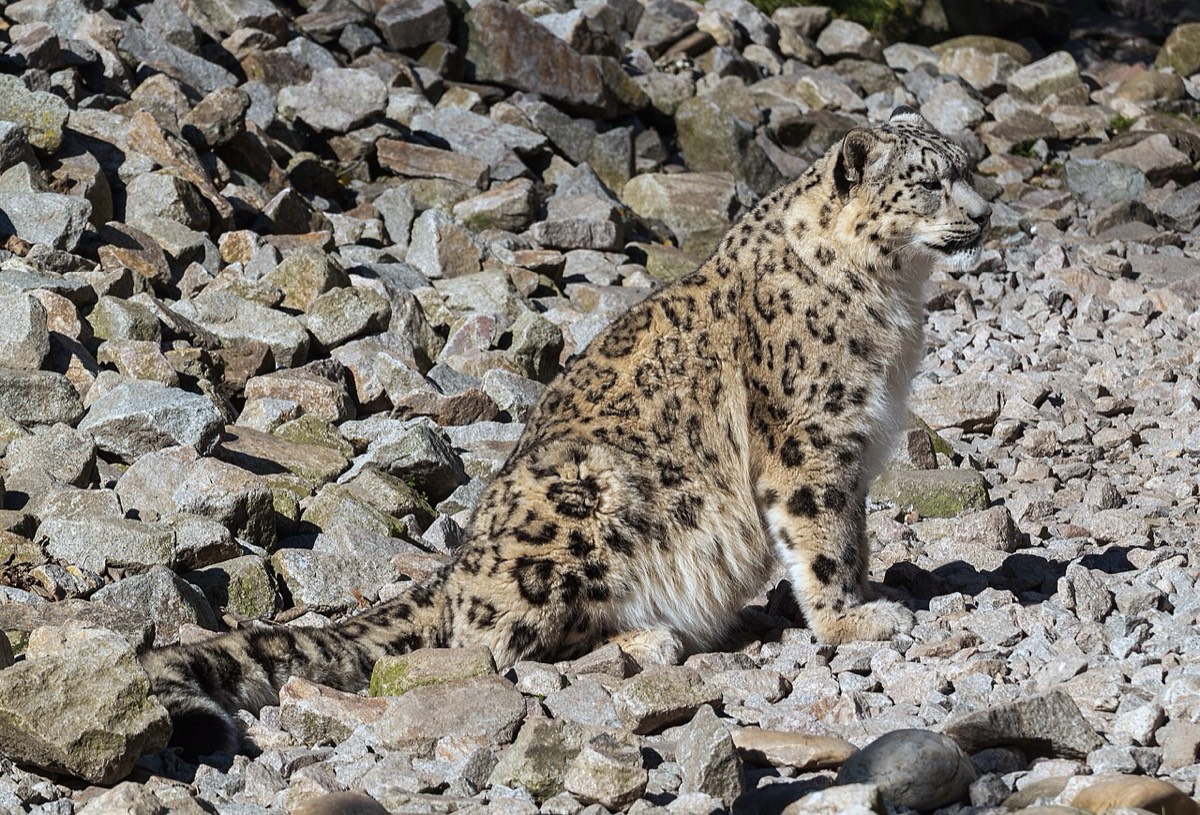
Whether plunging through the air, sprinting across the plain or cutting through open water, the swiftest animals are engineered by evolution for velocity.