
Discovery
That glowing language of the firefly
On warm summer evenings, fireflies animate the landscape. Their flickering lights float across fields and gardens. This gentle glow has enchanted peop
Mangrove forests thrive where land and sea blur together. These remarkable trees tolerate salty, waterlogged ground. Their tangled roots rise above th
Mangrove forests thrive where land and sea blur together. These remarkable trees tolerate salty, waterlogged ground. Their tangled roots rise above the tide like a maze. Few plants cope in such a punishing zone.
Those tangled roots create an underwater sanctuary. Countless young fish shelter among them, safe from larger predators. The roots slow the current, offering calm nursery water. A great share of coastal fish spend life here.
Mangroves also defend the shore against the ocean's fury. Their dense roots dissipate the energy of storm waves. They hold the soil firmly against erosion. Communities behind them receive crucial protection.
The trees have evolved clever ways to handle salt. Some block it out at the roots before it enters. Others excrete excess salt out through their leaves. These adaptations enable them live where others cannot.
Breathing in waterlogged mud presents another challenge. Many mangroves extend special roots up into the air. These snorkel-like structures draw in oxygen directly. It is a neat solution to a suffocating problem.
The forest bustles with a surprising diversity of life. Crabs scurry across the mud at low tide. Wading birds stalk the shallows for a meal. Above and below, the mangrove nourishes a whole community.
These forests also store enormous amounts of carbon. Their waterlogged soils hold it for centuries. Acre for acre, mangroves outperform many forests at this. Protecting them aids the whole climate.
Yet mangroves are falling at an alarming rate. They are felled for ponds, farms, and development. Losing them leaves coasts to storms and erosion. Restoring mangroves rebuilds a natural line of defense.
On warm summer evenings, fireflies animate the landscape. Their flickering lights float across fields and gardens. This gentle glow has enchanted peop
The pet rabbit is often misunderstood as a simple creature. In truth it is sensitive, with a rich inner life. A well-kept rabbit forms a genuine bond
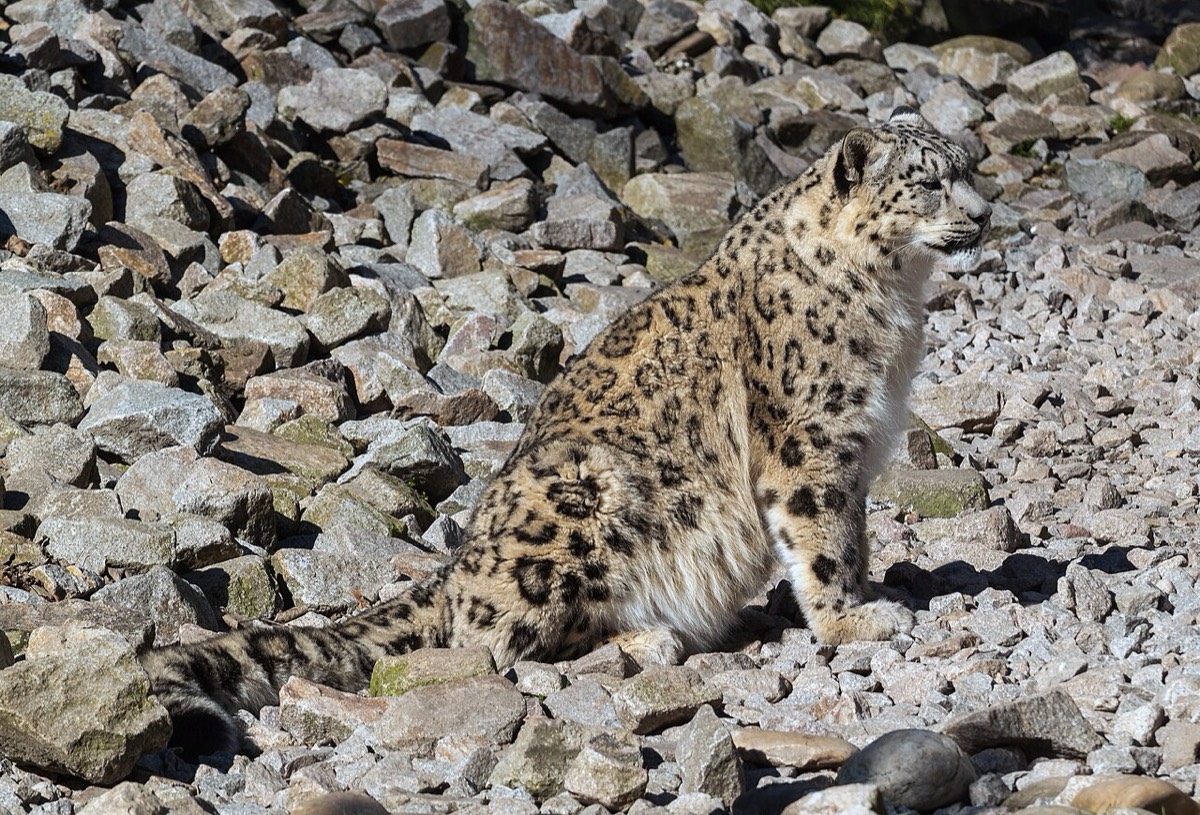
Whether plunging through the air, sprinting across the plain or cutting through open water, the swiftest animals are engineered by evolution for velocity.