
How Parrots Learn to Mimic Human Speech
Parrots copy human speech using a flexible voice organ, a talent for vocal learning and a strong urge to bond with the flock around them.
Each year monarch butterflies travel thousands of kilometres across North America, guided by sun, season and inherited instinct, in one of the natural world's great migrations.
Few insects capture the imagination quite like the monarch butterfly. Its orange wings, edged in black and dotted with white, are a familiar sight in summer meadows across North America. Yet the real marvel is not its colour but its journey. Each autumn, monarchs from northern regions set off on a flight of thousands of kilometres toward distant wintering grounds, travelling a route they have never seen before. A creature weighing less than a paperclip crosses a continent, and the way it manages that feat is full of surprises.
The monarch's year unfolds across several generations. In spring and summer, adults lay eggs on milkweed, the only plant the caterpillars will eat. The eggs hatch into striped caterpillars that feed hungrily, grow quickly and then form a green chrysalis. After a couple of weeks, a new butterfly emerges. These summer generations live only a few weeks each, mating and laying eggs before they die. The cycle repeats several times as the season advances and the days slowly begin to shorten.
Then something changes. The final generation of the year, born as autumn approaches, behaves quite differently. These butterflies do not rush to breed. Instead they grow strong, store energy and prepare to fly south. They can live for many months, far longer than their parents and grandparents. It is this special generation that makes the great migration, and it is their offspring, several generations later, that will return to the northern fields the following summer, completing a journey no single butterfly ever finishes.
How does a butterfly know where to go? Scientists have learned that monarchs use the position of the sun as a compass, and they correct for the changing time of day with an internal clock. They also appear sensitive to the earth's magnetic field, which may help on cloudy days. None of this is learned from parents, since the butterflies that fly south have never met the ones that made the trip before. The directions are inherited, written into the insect's body in a way we are still working to understand.
The journey itself is a lesson in patience and efficiency. Monarchs glide on warm rising air, climbing in spiralling columns and then drifting forward with little effort. They stop to feed on flowers and rest overnight in trees, sometimes gathering in great clusters. On a good day they may cover a considerable distance without flapping much at all. Wind, weather and the availability of nectar all influence how quickly they travel, so the pace changes from year to year and from place to place.
When the butterflies reach their wintering sites, they gather in dense colonies on certain trees, folding their wings and hanging in huge numbers. The sites are usually cool, sheltered and humid, which helps them conserve energy through the colder months. To a visitor, a cluster can look like a mass of dry leaves until the sun warms the branches and the whole thing shimmers into movement. It is one of the most remarkable sights in the insect world, and quietly moving to witness.
In late winter the butterflies stir, mate and begin the journey north. Along the way they lay eggs on fresh milkweed, and the next generation carries the migration onward. By the time summer returns, the descendants of the travellers are spreading across the northern meadows once more. The relay is a beautiful piece of natural engineering, with each generation contributing a small stage of a long journey that no single butterfly could complete alone.
Monarchs depend on a chain of habitats, from milkweed patches where caterpillars feed to flowering meadows where adults refuel, to the sheltered forests where they spend the winter. A break in any link can cause trouble. Changes to land use, the loss of wild flowers and shifts in weather patterns all make the journey harder. Because the butterflies cross borders, their fate depends on the care of many people in many places, from farmers to city gardeners and land managers.
Ordinary gardens can play a part, which is a hopeful thought. A sunny corner with native flowering plants gives travelling butterflies a place to rest and feed, and leaving a patch of wild growth helps other insects too. Nothing about this requires special skill, only a bit of patience and a willingness to let a garden be slightly untidy. A monarch fluttering through a backyard is a small reminder that even a modest space can be part of something continental in scale.
Citizen observers have helped enormously with this story. Ordinary people who count butterflies in their gardens, note when the first monarch appears in spring, or record clusters on autumn trees add to a picture that no single researcher could assemble. Their notes reveal shifts in timing and numbers from one year to the next, and they help show which places matter most along the route. It is a pleasing example of curiosity turning into knowledge, with backyards and roadsides contributing as much as laboratories. Anyone with a notebook and a little patience can join in.
It is easy to admire the monarch for its beauty and overlook the astonishing effort behind each flap of its wings. Yet the more we learn, the more extraordinary the story becomes: a creature guided by sunlight, instinct and shared inheritance, moving across a continent in a seasonal rhythm older than any road or border. It asks little of us except attention and a little space to grow its food plants.
Watching a monarch drift past on an autumn breeze, one can imagine the miles it still has ahead and the mountains, fields and rivers it will cross. Its journey is both fragile and relentless, and it shows how much can be accomplished by small lives acting together across generations. The next time an orange flicker crosses your path, pause for a moment. You are watching a traveller on one of the great journeys of the natural world.
Parrots copy human speech using a flexible voice organ, a talent for vocal learning and a strong urge to bond with the flock around them.
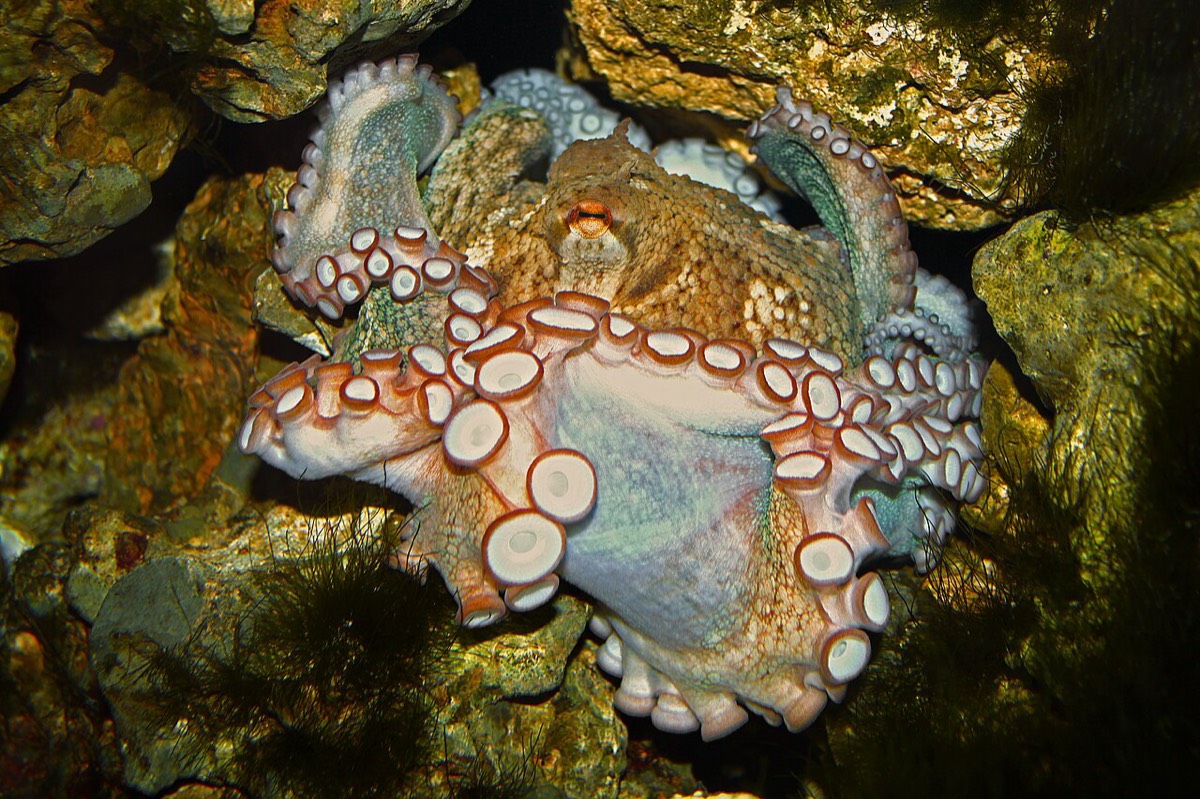
Hedgehogs look like solitary wanderers, but a closer watch of the garden reveals a quiet web of overlapping ranges, shared feeding spots, and seasonal encounters.

Cats leave mice and other prey at the door for several overlapping reasons, from hunting instinct and safe eating spots to teaching behaviour and household trust.